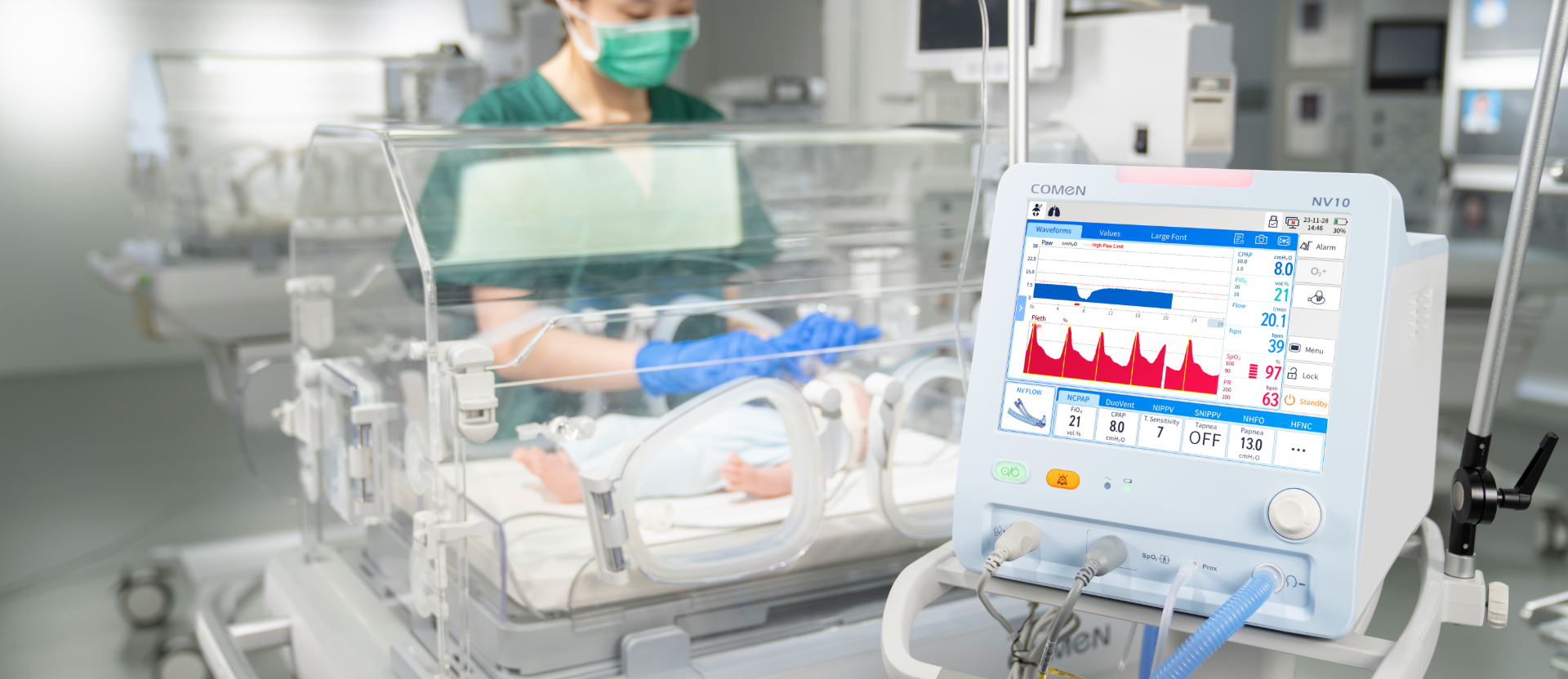
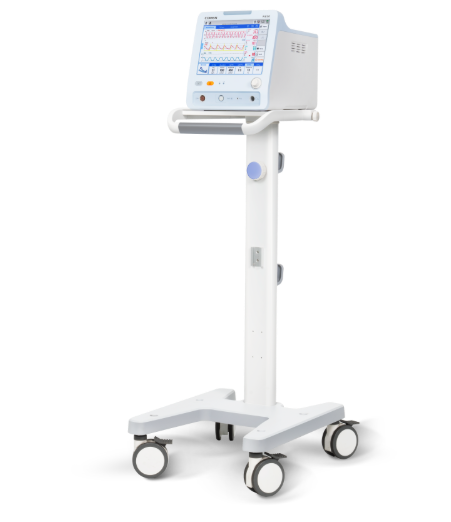
The NV10 neonatal ventilator is a critical medical device designed to provide respiratory support for newborns and young infants who cannot breathe adequately on their own. It delivers precise airflow and pressure to maintain stable oxygenation. This infant ventilator provides stable, lung-protective ventilation strategies.
Comen NV10, as an advanced infant ventilator, includes a complete NIV set with specialized ventilation tools for neonates and children, expanding the ventilation strategies to protect each spontaneous breath. It offers a robust ventilation system for newborn mechanical ventilation and elevates oxygenation level at all stages.






The advantages of noninvasive high-frequency oscillation in high frequency ventilation in neonates delivered via a neonatal ventilator encompass enhanced carbon dioxide elimination, reduced dead space during ventilation, and effective treatment of persistent pulmonary hypertension (PPHN) when used with nitric oxide. There is a growing amount of academic research focusing on the benefits of noninvasive high frequency ventilation in newborn mechanical ventilation.
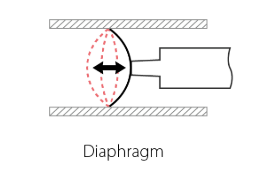
Friction cancellation
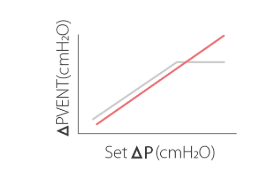
Linear amplitude
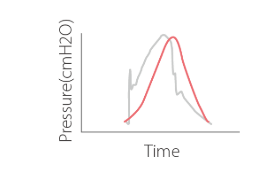
Smooth sine wave

Patented noise reduction
A single-limb setup, as opposed to a dual-limb configuration with a Y-piece and doubled tubing cavity, effectively reduces dead space , thereby decreasing the work of breathing of patients.

The generation mechanisms on the market today are diaphragm oscillation piston type, bi-directional jet and high frequency flow-interrupter with expiration assist. NV10 adopts the most recognized method, diaphragm oscillation, and applied Comen’s unique and advance design which provide a quieter and more powerful oscillator, Covering all the scenario in practice.
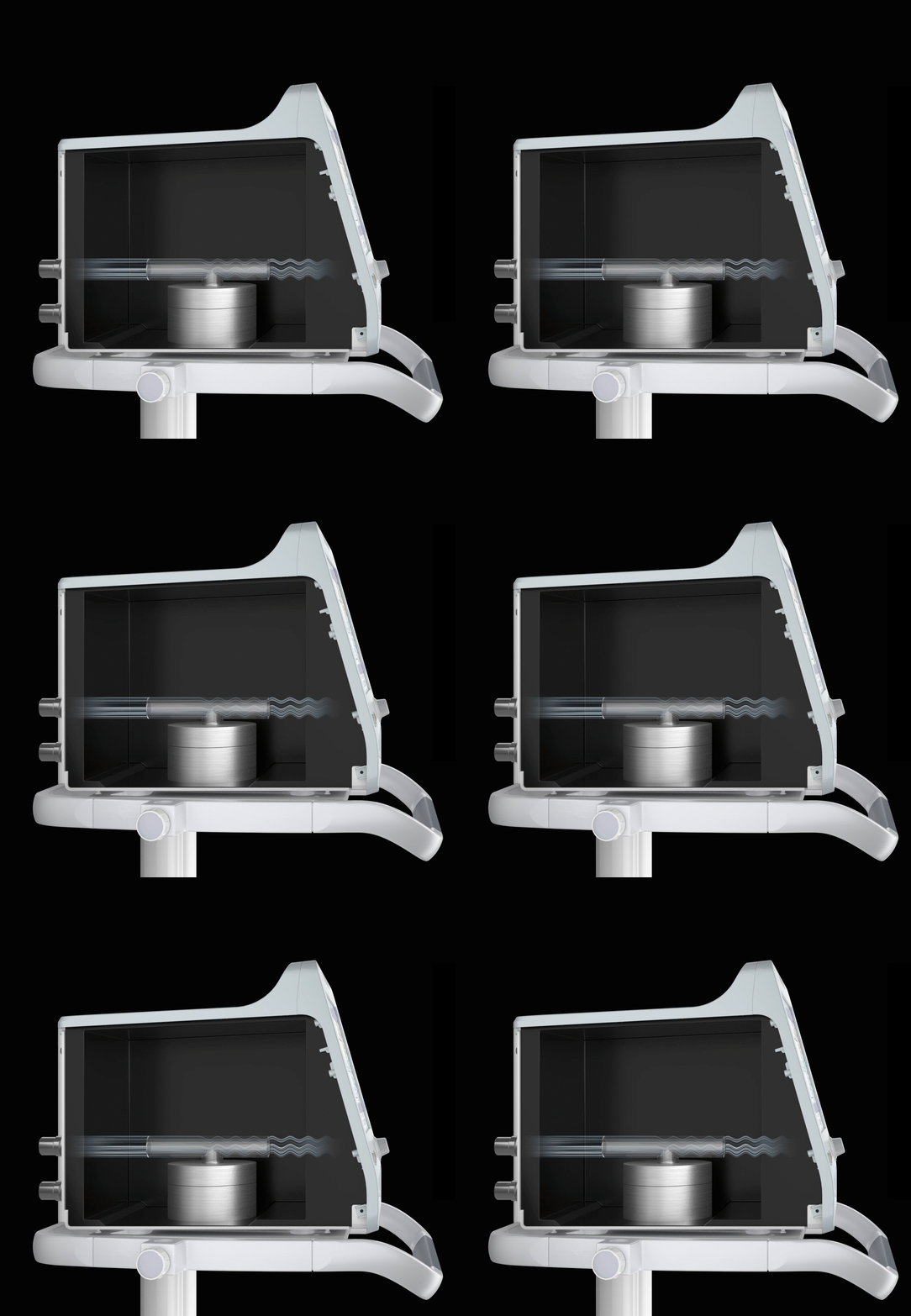
Friction cancellation
Linear amplitude
Smooth sine wave
Patented noise reduction
A single-limb setup, as opposed to a dual-limb configuration with a Y-piece and doubled tubing cavity, effectively reduces dead space , thereby decreasing the work of breathing of patients.
The abdominal sensor is designed for quick response and cost-effectiveness. The pressure sensor minimizes false activations due to the newborn's restlessness. Both sensors are non-invasive, ensuring reduced discomfort for patients.
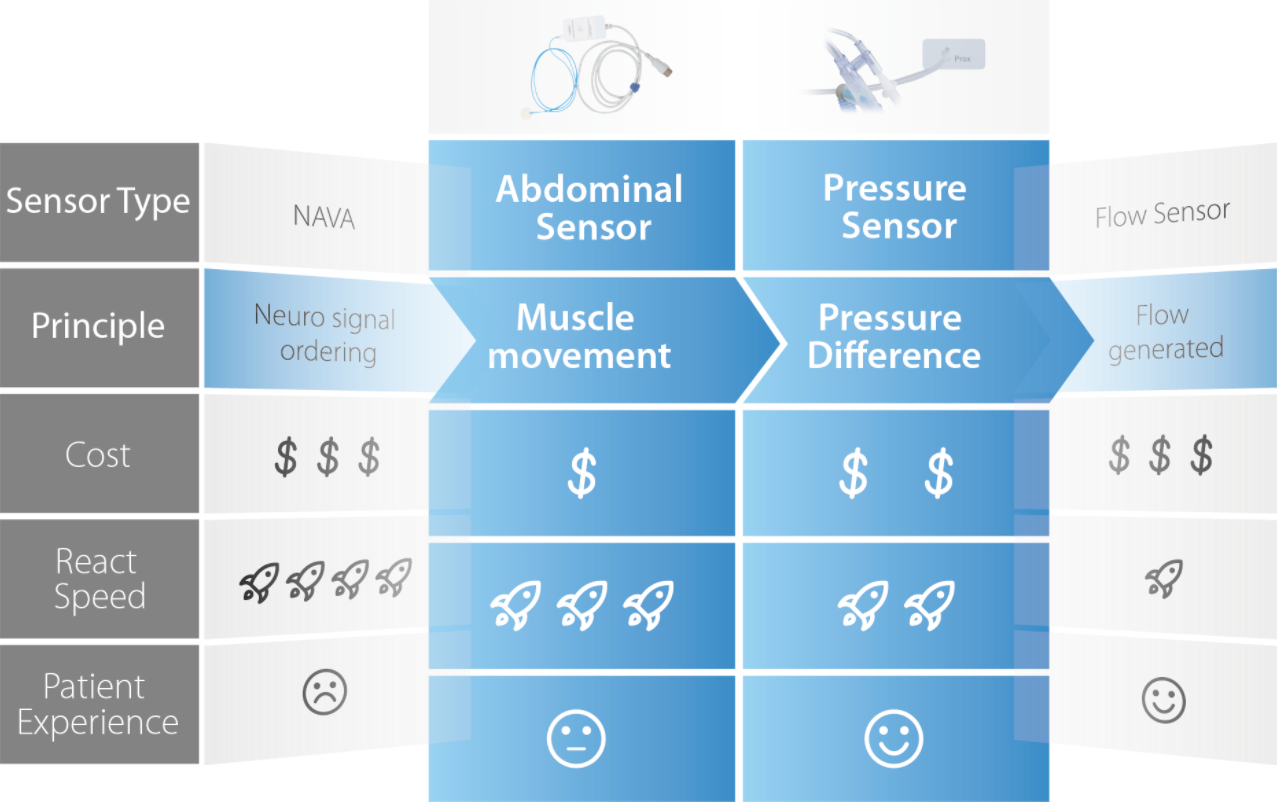
The NV10 is equipped with a leakage compensation system up to 100% pressure compensatory, ensuring that patients receive the set pressure in the event of leakage.
VentGuide, a set of indicators derived from multi monitoring parameters that can be seen as early warnings for ventilation failure, helping medical staff adjust strategies earlier.
NV10 provides a customizable dashboard to monitor respiratory parameters at all times.
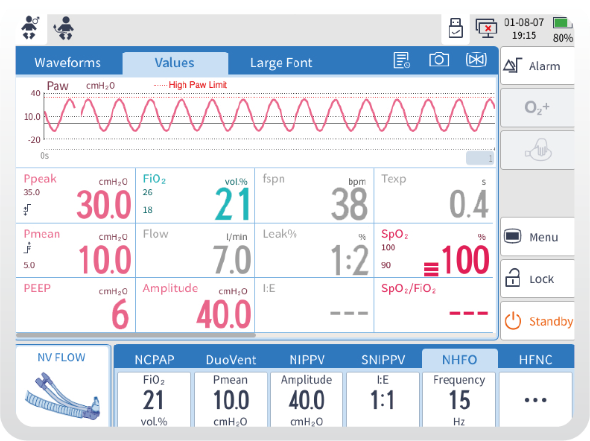
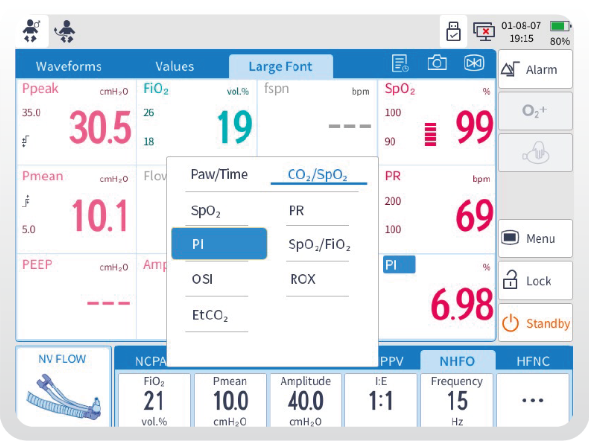
ROX assisting in HFNC
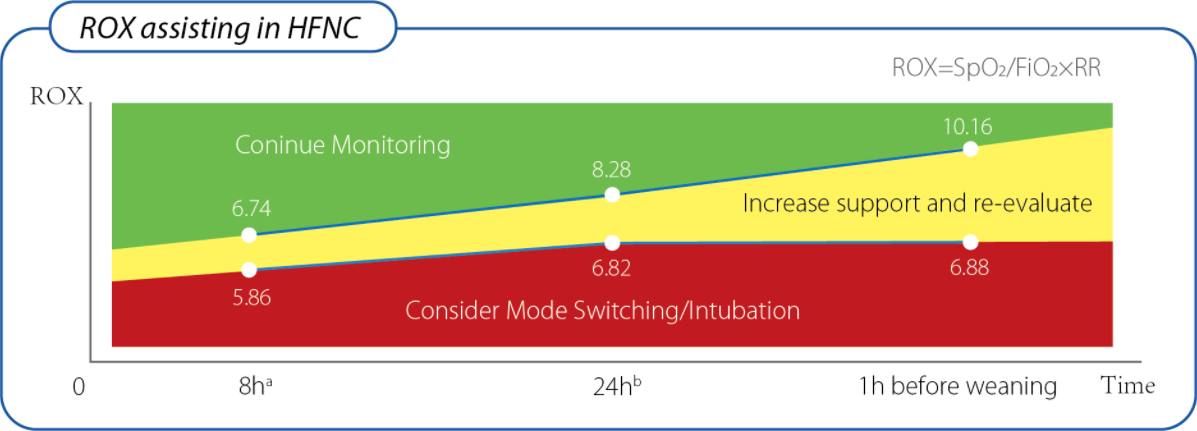
a-Source: Eur J Pediatr, 181(11):3977-3983 (2022)
b-Source: J Korean Acad Nurs,53(4), 468–479 (2023)
The interpretation of ROX should be based on the patient’s condition and clinical application
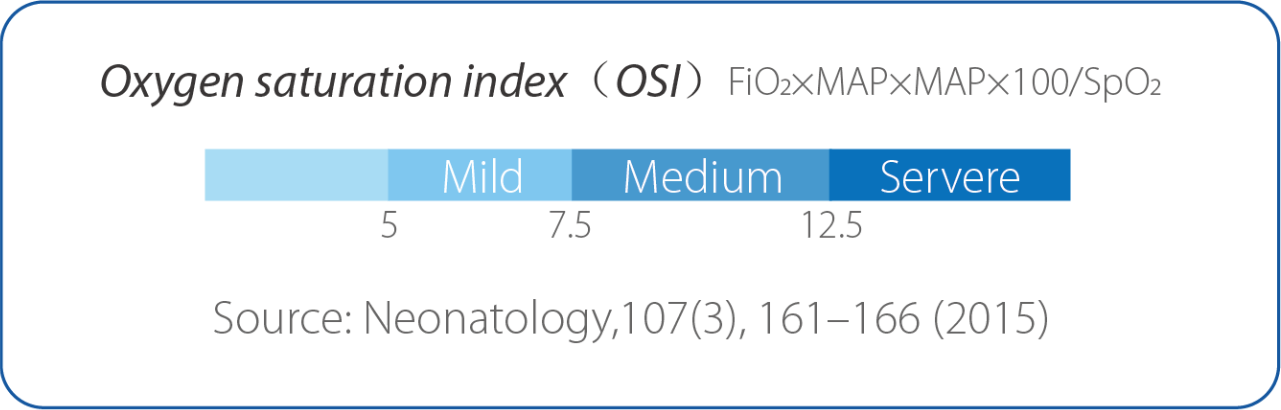
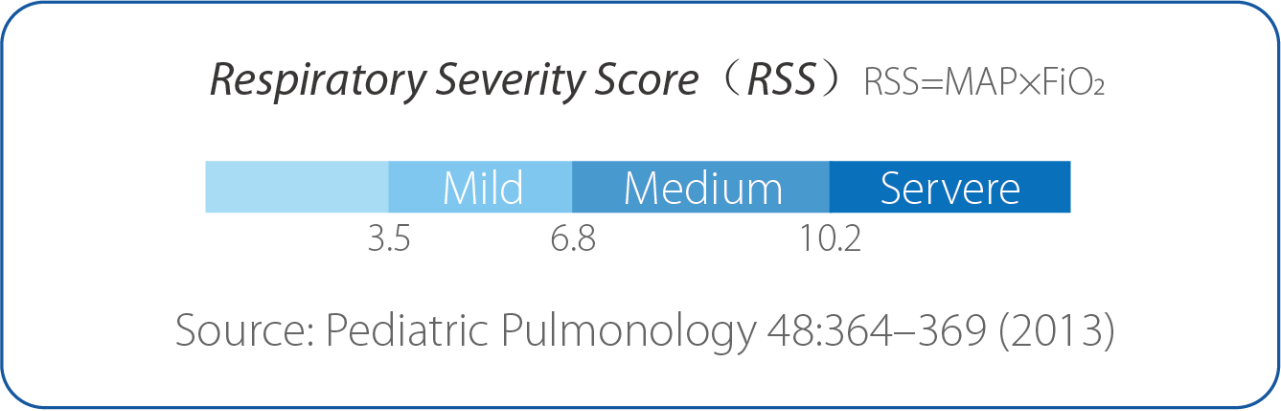
Hypoxic respiratory failure diagnostic and severity index